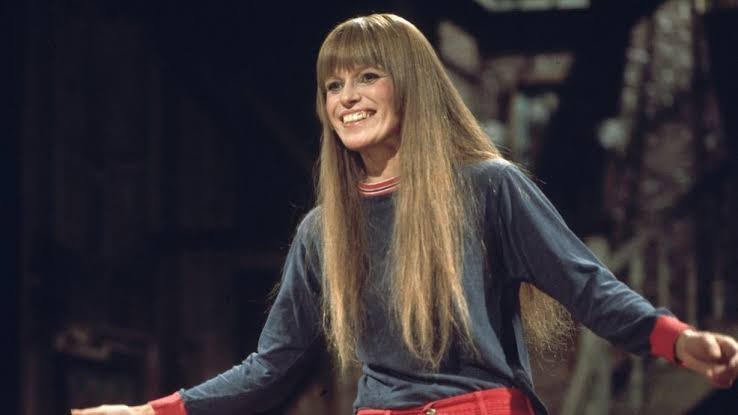

When people discuss groundbreaking television performers of the 1970s, Louise Lasser’s name often deserves far more recognition than it receives. Best known for her unforgettable portrayal of Mary Hartman in the satirical television series Mary Hartman, Mary Hartman, Lasser helped redefine what television comedy could be.
Unlike many performers who chased Hollywood fame, Louise Lasser followed a different path. Her career was built on unconventional choices, memorable performances, and a willingness to embrace unique characters. Along the way, she worked with some of the entertainment industry’s most influential figures, including Woody Allen and Norman Lear.
Although younger audiences may know her from later appearances in television shows such as Girls, Lasser’s impact stretches back more than six decades. Her story is one of talent, resilience, artistic independence, and lasting influence.
Today, Louise Lasser remains a respected figure in television history. While she may not have achieved the same level of celebrity as some of her contemporaries, her contributions to comedy, acting, and television continue to be appreciated by critics, historians, and longtime fans.
Quick Facts
| Fact | Details |
|---|---|
| Full Name | Louise Lasser |
| Date of Birth | April 11, 1939 |
| Birthplace | New York City, New York, United States |
| Profession | Actress, Writer, Acting Teacher |
| Education | Brandeis University |
| Years Active | 1962–Present |
| Famous For | Mary Hartman, Mary Hartman |
| Former Husband | Woody Allen |
| Notable Works | Mary Hartman, Mary Hartman, Bananas, Girls, Happiness |
| Industry | Television, Film, Theater |
Who Is Louise Lasser?
Louise Lasser is an American actress whose career spans more than sixty years. She became widely known during the 1970s after starring as Mary Hartman in Mary Hartman, Mary Hartman, a television series that challenged traditional sitcom conventions and introduced a new form of satirical storytelling.
Her success came at a time when television was undergoing significant change. Audiences were becoming more interested in programs that reflected social realities, questioned cultural norms, and blended comedy with serious themes. Lasser’s performance fit perfectly within that evolving landscape.
While many biographies focus primarily on her marriage to Woody Allen, that relationship represents only a small part of her larger story. Louise Lasser built an impressive career on her own merits, earning praise for her acting abilities, comedic timing, and willingness to take creative risks.
Even decades after her breakthrough role, she remains an important figure in television history and a fascinating example of an actor who chose artistic fulfillment over mainstream celebrity.
Early Life and Education
Louise Lasser was born on April 11, 1939, in New York City. Growing up in one of the world’s cultural capitals exposed her to theater, literature, and the arts from an early age. Unlike many future performers who knew from childhood that they wanted to become actors, Lasser initially pursued a more academic path. She attended Brandeis University, where she studied political science.
Her education helped shape the thoughtful and intelligent perspective that later became evident in many of her performances. While she ultimately chose a career in entertainment rather than politics or academia, her university experience played an important role in developing her intellectual curiosity.
During her college years, Lasser became increasingly interested in performance and creative expression. She was drawn to theater and began exploring opportunities that would eventually lead her into professional acting. Looking back, it is clear that the combination of academic study and artistic exploration helped create the unique performer audiences would later come to know.
Beginning a Career in Entertainment
Breaking into the entertainment industry is rarely easy, and Louise Lasser’s journey was no exception. Like many aspiring actors in New York during the 1960s, she started with smaller opportunities and gradually built experience. She worked in theater, appeared in commercials, and participated in various performance projects while developing her skills.
One of her earliest notable achievements came when she became an understudy for Barbra Streisand in the Broadway musical I Can Get It for You Wholesale. Although she was not yet a major star, this experience provided valuable exposure to professional theater and introduced her to the demands of live performance. At the same time, she explored improvisational comedy and acting workshops, areas that would later influence her unique style.
These early years taught Lasser the importance of versatility. Rather than limiting herself to one type of performance, she experimented with comedy, drama, theater, and television. This flexibility would eventually become one of her greatest strengths.
Louise Lasser and Woody Allen
One of the most frequently discussed chapters in Louise Lasser’s life is her marriage to filmmaker and comedian Woody Allen. The couple married in 1966 during a period when Allen was emerging as a successful comedy writer and performer. At the time, neither had yet reached the height of their eventual fame.
Their relationship brought together two creative individuals who shared a passion for comedy and storytelling. During their marriage, Lasser became involved in several of Allen’s early film projects, helping establish herself within the entertainment industry.
She appeared in films such as:
- Take the Money and Run
- Bananas
- Everything You Always Wanted to Know About Sex (But Were Afraid to Ask)
These projects allowed audiences to see her comedic abilities and helped expand her professional profile.
Although their marriage ended in 1970, their creative collaboration left a lasting mark on both of their careers. Interestingly, Louise Lasser has often been viewed through the lens of her relationship with Woody Allen. However, many television historians argue that her later achievements, particularly through Mary Hartman, Mary Hartman, ultimately became more significant to her legacy than her marriage itself.
Working in Woody Allen’s Early Films
Appearing in Woody Allen’s early films gave Louise Lasser valuable experience during a critical stage of her career. Allen’s films were known for their unconventional humor, satire, and willingness to challenge traditional storytelling methods. Working in this environment allowed Lasser to develop the quirky, authentic style that would later become one of her trademarks.
In Bananas, she demonstrated a natural comedic presence that stood out even among an ensemble cast. Rather than relying on exaggerated performances, Lasser often found humor through subtle expressions, awkward situations, and believable character reactions. This approach would later become central to her portrayal of Mary Hartman.
Her collaboration with Allen also exposed her to a creative community that valued originality and experimentation. These experiences helped prepare her for the groundbreaking television role that would eventually transform her career.
The Road to Television Success
By the mid-1970s, Louise Lasser had accumulated years of experience in film, theater, and television. She was respected within creative circles but had not yet become a household name. That was about to change. Television producer Norman Lear was developing an unusual new project that would challenge audience expectations and push the boundaries of network storytelling. The series would become one of the most talked-about programs of its era. For Louise Lasser, it would become the opportunity that changed everything.
The Role That Changed Everything: Mary Hartman, Mary Hartman
In 1976, Louise Lasser accepted the role that would permanently define her career. Television producer Norman Lear had already transformed American television with groundbreaking shows such as All in the Family, Good Times, and The Jeffersons. However, his newest project was unlike anything audiences had seen before.
The series was called Mary Hartman, Mary Hartman. At first glance, the show looked like a traditional daytime soap opera. But beneath the surface, it was a sharp satire of American culture, media obsession, consumerism, and suburban life.
The show’s central character, Mary Hartman, was an ordinary housewife trying to navigate increasingly bizarre events in her community. Through her experiences, the series explored social issues, family dynamics, and cultural trends in ways that were both humorous and thought-provoking. When Norman Lear and his creative team searched for someone to play Mary Hartman, they needed an actress capable of balancing comedy, vulnerability, confusion, and emotional authenticity.
Louise Lasser proved to be the perfect choice. Her performance transformed the character into one of the most memorable figures in television history. Almost overnight, she became a national sensation.
Why Mary Hartman, Mary Hartman Was Revolutionary
To understand Louise Lasser’s impact, it helps to understand how unusual Mary Hartman, Mary Hartman was for its era. Most television shows in the 1970s followed predictable formulas. Sitcoms focused on family-friendly humor, while soap operas relied on dramatic relationship storylines. Mary Hartman, Mary Hartman blurred those boundaries.
The series aired five nights per week and combined:
- Social satire
- Dark comedy
- Soap-opera storytelling
- Cultural criticism
- Absurd humor
This combination was revolutionary.
Rather than portraying suburban life as idealized and perfect, the show highlighted anxieties, frustrations, and contradictions hidden beneath the surface of everyday American life.
Viewers saw stories involving:
- Consumer culture
- Media sensationalism
- Family conflict
- Political issues
- Social expectations
Many critics considered the show years ahead of its time.
Today, television historians frequently point to Mary Hartman, Mary Hartman as a precursor to modern satirical series that mix comedy with social commentary. Without Louise Lasser’s performance, however, the show likely would not have achieved the same impact. Her ability to make Mary Hartman feel genuine allowed audiences to connect emotionally with even the most absurd situations.
Louise Lasser’s Emmy-Nominated Performance
Lasser’s portrayal of Mary Hartman earned widespread critical acclaim. She brought an unusual level of emotional realism to the role. Rather than treating the character as a joke, she played Mary with sincerity and humanity. This approach allowed viewers to laugh at the situations while still caring about the character herself. The performance earned her a Primetime Emmy Award nomination and helped establish her reputation as one of television’s most distinctive actresses.
At the height of the show’s popularity, Louise Lasser appeared on magazine covers and became one of the most recognizable faces in television. For a period of time, she was everywhere. Yet unlike many stars who become famous through a single role, Lasser never appeared completely comfortable with celebrity culture. That discomfort would later influence many of the choices she made throughout her career.
Why Louise Lasser Left Mary Hartman
One of the questions fans ask most frequently is why Louise Lasser left the show despite its success. The answer largely comes down to the demanding production schedule. Because new episodes aired almost every weekday, cast members faced enormous workloads. The pace was significantly more intense than most television productions.
Lasser eventually decided to step away from the role. For many viewers, the decision was surprising. The series had made her famous and provided career opportunities that many actors spend years trying to achieve. However, the pressures associated with that level of visibility and production intensity were considerable.
Her departure marked the end of a major chapter in her career, but it also reflected her willingness to prioritize personal well-being over commercial success. In hindsight, that decision aligns closely with the independent spirit that defined much of her professional life.
Louise Lasser and Norman Lear’s Creative Partnership
Any discussion of Louise Lasser’s career would be incomplete without mentioning Norman Lear. Lear recognized something unique in Lasser’s abilities. While many actresses could have played Mary Hartman as a straightforward comedic character, Lasser brought complexity and vulnerability that elevated the material. Their collaboration demonstrated what can happen when a talented performer is paired with innovative writing and visionary production.
Lear’s confidence in Lasser helped create one of television’s most memorable performances. At the same time, Lasser’s portrayal helped bring Lear’s ambitious concept to life. The success of the show benefited both of their careers and remains one of the most important collaborations in television history. Even decades later, discussions about Mary Hartman, Mary Hartman often focus on the creative chemistry between Lear’s vision and Lasser’s performance.
Louise Lasser’s Career Timeline
One reason Louise Lasser remains fascinating is the longevity of her career.
The 1960s: Building Experience
During the 1960s, Lasser worked in theater, television, and film while establishing herself as a performer. She appeared in commercials, stage productions, and early acting projects while developing the skills that would later define her career.
The Early 1970s: Film Collaborations
Her appearances in Woody Allen films introduced her to larger audiences. Although she was not yet a major star, these projects increased her visibility within the entertainment industry.
The Mid-1970s: Breakthrough Success
The arrival of Mary Hartman, Mary Hartman changed everything. The role transformed her from a working actress into a nationally recognized television personality.
The 1980s and 1990s: Character Roles
Rather than chasing blockbuster success, Lasser focused on interesting projects and character-driven performances. She continued appearing in television and film while maintaining a lower public profile.
The 2000s and Beyond
A new generation of audiences discovered her work through films such as Happiness and television series such as Girls. These appearances demonstrated her continued relevance and adaptability. Unlike many performers whose careers become tied to a specific decade, Louise Lasser successfully connected with multiple generations of viewers.
Most Memorable Louise Lasser Movies and TV Shows
Although Mary Hartman, Mary Hartman remains her signature achievement, Louise Lasser’s career includes numerous noteworthy performances.
Mary Hartman, Mary Hartman
Without question, this remains the defining project of her career. The role established her reputation and secured her place in television history.
Take the Money and Run
One of her earliest collaborations with Woody Allen, this film introduced audiences to her comedic abilities.
Bananas
A political satire that remains one of Allen’s best-known early works.
Taxi
Her guest appearance in the beloved sitcom allowed her to showcase her comedic versatility.
Happiness
This critically discussed film introduced her work to many younger movie fans.
Girls
Lasser’s appearance in HBO’s Girls demonstrated that her talent remained relevant decades after her breakthrough role. For younger audiences unfamiliar with Mary Hartman, Mary Hartman, this series became an introduction to her work.
Challenges Behind Sudden Fame
Fame can be difficult, especially when it arrives unexpectedly. For Louise Lasser, the success of Mary Hartman, Mary Hartman created opportunities but also brought pressures. Public attention increased dramatically. Interviews, magazine covers, and media appearances became part of everyday life. Many actors spend years seeking this level of visibility, but Lasser often appeared more interested in creative work than celebrity status.
This distinction helps explain why her career developed differently from many of her contemporaries. Rather than constantly pursuing bigger contracts and greater publicity, she frequently chose projects based on artistic interest. While that approach may have limited her mainstream fame, it helped preserve the authenticity that made audiences appreciate her work in the first place.
Why Louise Lasser Never Became a Traditional Hollywood Star
One of the most interesting aspects of Louise Lasser’s career is that she never followed the path typically associated with Hollywood success. Many actors who achieve the level of fame she experienced during the Mary Hartman, Mary Hartman era use that momentum to pursue blockbuster films, major endorsement deals, and constant media exposure.
Lasser chose a different route.
Rather than chasing celebrity status, she focused on projects that interested her creatively. She often selected character-driven roles instead of pursuing mainstream commercial success. As a result, her career developed in a way that was less visible but arguably more authentic.
This decision helped preserve her individuality as a performer. While some actors become trapped by the expectations that come with fame, Lasser maintained a degree of independence that allowed her to explore different artistic opportunities throughout her career. In many ways, her story serves as a reminder that success in entertainment is not always measured by box office numbers or tabloid headlines. For some performers, creative freedom matters more than public recognition.
Acting Style and Influence
Louise Lasser’s acting style has often been described as natural, vulnerable, and deeply human. What made her performances unique was her ability to make unusual characters feel believable. Even when dealing with absurd situations, she grounded her performances in genuine emotion. This quality was especially evident in Mary Hartman, Mary Hartman.
Instead of exaggerating the humor, Lasser approached the role with sincerity. She treated Mary Hartman’s worries, confusion, and emotional struggles as real experiences. That honesty allowed audiences to connect with the character on a deeper level. Over time, her work influenced many performers who sought to blend comedy with emotional realism.
Television comedy today often relies on flawed, relatable characters navigating complicated situations. Long before that style became common, Louise Lasser was already demonstrating how effective it could be. Her performances also challenged traditional expectations of female television characters. Rather than portraying perfect or idealized women, she often played individuals who were uncertain, vulnerable, and complex.
That approach helped pave the way for a more realistic style of television storytelling.
Life Beyond Acting
Although acting remains the most visible part of Louise Lasser’s career, it is far from her only contribution to the entertainment industry. For many years, she devoted significant time to teaching and mentoring aspiring actors. Lasser became a life member of The Actors Studio, one of the most respected acting organizations in the United States. She later established her own acting studio in New York City, where she shared her knowledge and experience with younger performers. Teaching allowed her to remain connected to the craft while helping others develop their talents.
Many successful actors eventually transition into directing or producing. Lasser chose a different path by focusing on education and mentorship. This aspect of her career often receives less attention than her television work, but it represents an important part of her legacy. Her willingness to support and guide emerging performers reflects a lifelong commitment to the art of acting.
Is Louise Lasser Still Alive?
Yes, Louise Lasser is alive as of 2026. Because she maintains a relatively private lifestyle, many people occasionally wonder what happened to her after her years of television fame. Unlike celebrities who frequently appear on social media or attend high-profile events, Lasser has largely stayed away from the spotlight in recent years.
However, her influence remains visible through reruns, streaming platforms, television retrospectives, and discussions about the history of American comedy. Fans continue to discover her work, particularly through Mary Hartman, Mary Hartman and her later appearances in film and television.
What Is Louise Lasser Doing Today?
In recent years, Louise Lasser has maintained a lower public profile compared to the height of her fame in the 1970s. While she is no longer appearing regularly in major television productions, her work continues to receive attention from television historians, entertainment journalists, and longtime fans. Classic television enthusiasts frequently revisit Mary Hartman, Mary Hartman, introducing new audiences to her most famous performance.
Her appearances in projects such as Girls also helped younger viewers discover her work. Although she has largely stepped away from the public spotlight, her contributions to television remain relevant. In many ways, Louise Lasser’s career demonstrates that lasting influence does not require constant visibility.
Lesser-Known Facts About Louise Lasser
- Even dedicated fans may not know some of these interesting facts about Louise Lasser:
- She Studied Political Science
- Before becoming an actress, Lasser attended Brandeis University and studied political science.
- She Worked Alongside Barbra Streisand
- Early in her career, she served as an understudy for Barbra Streisand in a Broadway production.
- She Was Married to Woody Allen
- Although their marriage lasted only a few years, it remains one of the most discussed aspects of her personal life.
- She Became a Television Icon Through One Role
- Few performers become so closely associated with a single character. For many viewers, Mary Hartman remains one of television’s most memorable protagonists.
- She Helped Influence Modern Television Comedy
- The blend of realism, satire, and emotional depth found in many contemporary comedies owes something to the groundbreaking work of performers like Louise Lasser.
- She Dedicated Years to Teaching Acting
- Beyond her on-screen work, she spent years helping aspiring actors develop their craft.
Louise Lasser’s Legacy in Television History
When television historians discuss influential performers of the 1970s, Louise Lasser’s name deserves a place in the conversation. Her portrayal of Mary Hartman helped demonstrate that television comedy could be intelligent, socially aware, and emotionally complex. At a time when many sitcoms relied on simple formulas, she participated in a series that challenged conventions and encouraged audiences to think differently.
Her work also contributed to broader conversations about women in television. Rather than portraying idealized characters, she embraced complexity and vulnerability. These qualities made her performances feel authentic and relatable.
Today, many television critics view Mary Hartman, Mary Hartman as one of the most innovative programs of its era. Because Louise Lasser was at the center of that achievement, her place in television history remains secure. While she may not have pursued celebrity in the traditional sense, her influence continues to be felt through the performers, writers, and television creators who followed.
Why Louise Lasser Still Matters Today
Many actors become famous for a period and then gradually fade from public memory. Louise Lasser’s story is different. Although she has lived much of her later life away from the spotlight, her work continues to be studied and appreciated. Modern audiences increasingly seek television that combines humor with meaningful social commentary.
That blend was a defining feature of Mary Hartman, Mary Hartman decades before it became common. As a result, Lasser’s performances remain surprisingly relevant. Her career also serves as an example of artistic independence. Instead of allowing fame to dictate her choices, she followed her own path. For aspiring performers, that lesson may be just as valuable as any acting technique.
Frequently Asked Questions
How old is Louise Lasser?
Louise Lasser was born on April 11, 1939. As of 2026, she is in her late eighties.
Why is Louise Lasser famous?
She is best known for playing Mary Hartman in the groundbreaking television series Mary Hartman, Mary Hartman.
Was Louise Lasser married to Woody Allen?
Yes. Louise Lasser and Woody Allen were married from 1966 to 1970.
Is Louise Lasser still alive?
Yes, Louise Lasser is alive as of 2026.
What is Louise Lasser doing now?
She maintains a private life while continuing to be recognized for her contributions to television, acting, and entertainment history.
What was Louise Lasser’s biggest role?
Her most famous role was Mary Hartman in Mary Hartman, Mary Hartman, which made her a television star and earned critical acclaim.
Did Louise Lasser win any major awards?
While she received significant recognition, including a Primetime Emmy Award nomination, her influence extends beyond awards through her lasting impact on television comedy.
Final Thoughts
Louise Lasser’s career is a reminder that influence and fame are not always the same thing. Although she never became a conventional Hollywood superstar, she achieved something arguably more meaningful: she created work that continues to resonate decades later. From her early collaborations with Woody Allen to her unforgettable performance in Mary Hartman, Mary Hartman, Lasser consistently demonstrated intelligence, originality, and a commitment to authentic storytelling.
Her willingness to embrace unconventional roles helped reshape television comedy and inspired future generations of performers. Today, Louise Lasser remains an important figure in entertainment history—not simply because of her achievements, but because of the unique path she chose to follow. For anyone interested in classic television, groundbreaking comedy, or the careers of performers who refused to fit neatly into Hollywood expectations, Louise Lasser’s story remains well worth exploring.